 Books
Books Medicine
 Dress
Dress Chair
Chair Cloths
Subtotal: $4398.00
Progress and success of the inclusive digital education project for girls living with disabilities in the DRC
During the reporting period, the inclusive digital education project for girls with disabilities made significant progress through the launch, continuation, and completion of several key activities outlined in the operational plan.
At the beginning of the reporting period, we finalized the beneficiary identification and selection process. This step was carried out in collaboration with local associations of people living with disabilities, community leaders, and families. Participatory mapping helped identify the most vulnerable girls, particularly those from households affected by the humanitarian crisis in Uvira. Transparent criteria were applied to ensure equity and inclusion.
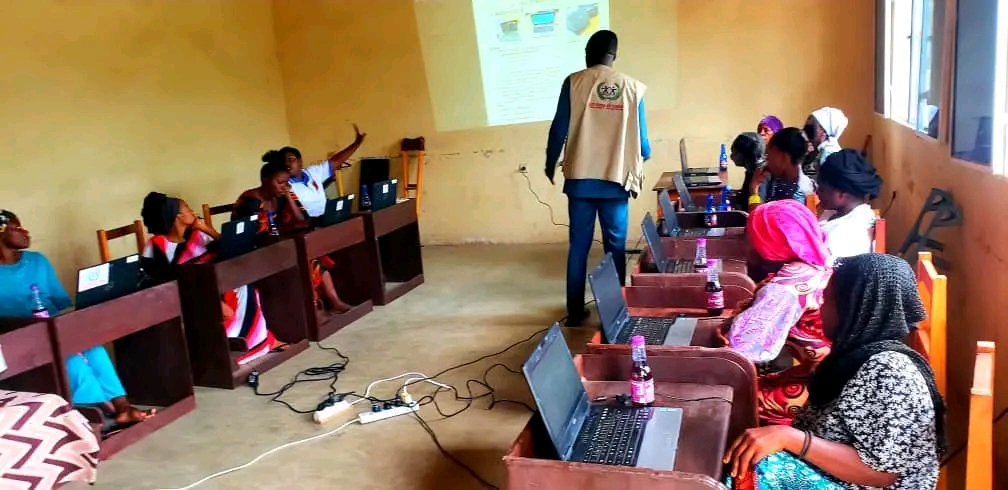
Concurrently, we set up inclusive digital learning spaces. This activity included installing 20 computers, implementing adapted software (including for visual and hearing impairments), arranging furniture, and improving the physical accessibility of the rooms. This phase was successfully completed, allowing training to begin in a safe and accessible environment.
The main activity undertaken during this period was digital skills training for 170 of the 250 girls with disabilities. The participants completed progressive modules covering computer basics, the use of office software (word processing, spreadsheets, presentations), internet browsing, and the fundamentals of digital communication. The sessions were adapted to the different types of disabilities, with individualized support provided when necessary. Regular assessments were conducted to measure progress.
In addition to the technical training, we launched and continued a mentoring and coaching program. Local professionals in the digital sector and specialized educators supported the girls to build their self-confidence, guide them toward career opportunities, and encourage them to apply the skills they had acquired. Individual and group sessions were organized to meet the specific needs of the participants.
Community outreach activities were also conducted throughout the period, reaching 5,000 people. Meetings with parents, teachers, and community leaders helped promote the importance of inclusive digital education and combat disability-related prejudices. These actions contributed to improving the project's social acceptance and strengthening family support.
Finally, the monitoring and evaluation system was actively implemented. Data collection tools were used to document participation, academic performance, and observed changes in beneficiaries. Despite challenges related to the humanitarian crisis and instability in some areas, the project maintained its core activities and made steady progress toward achieving its expected results.